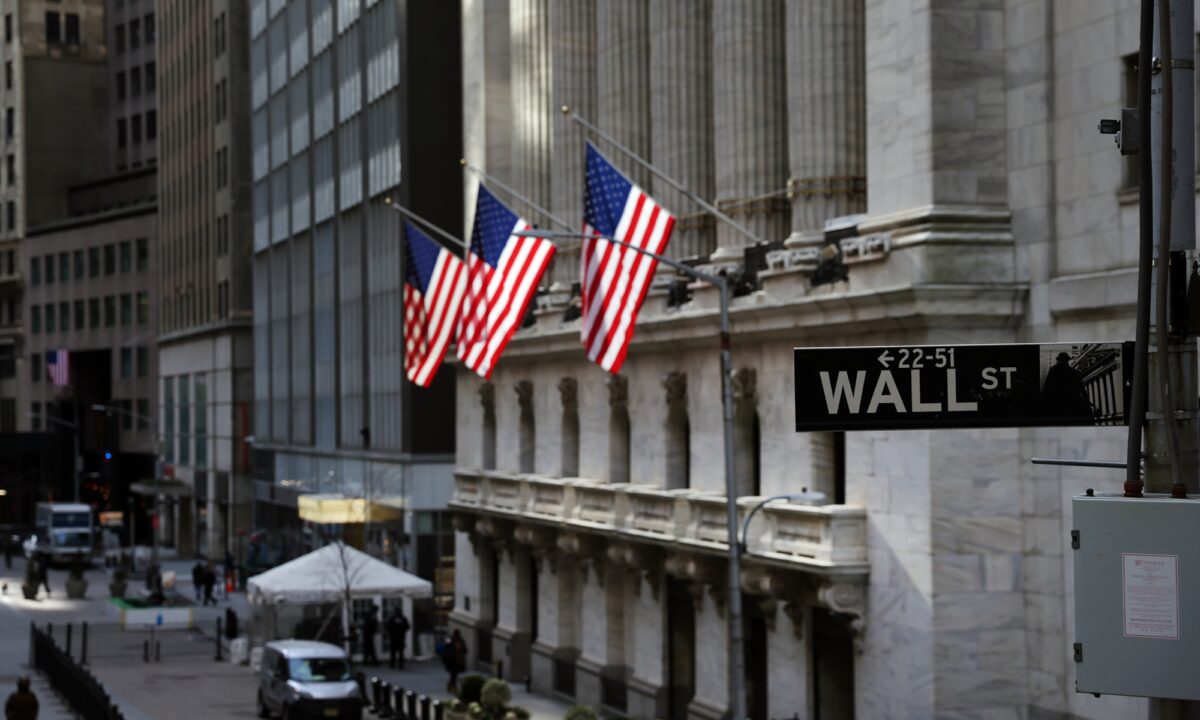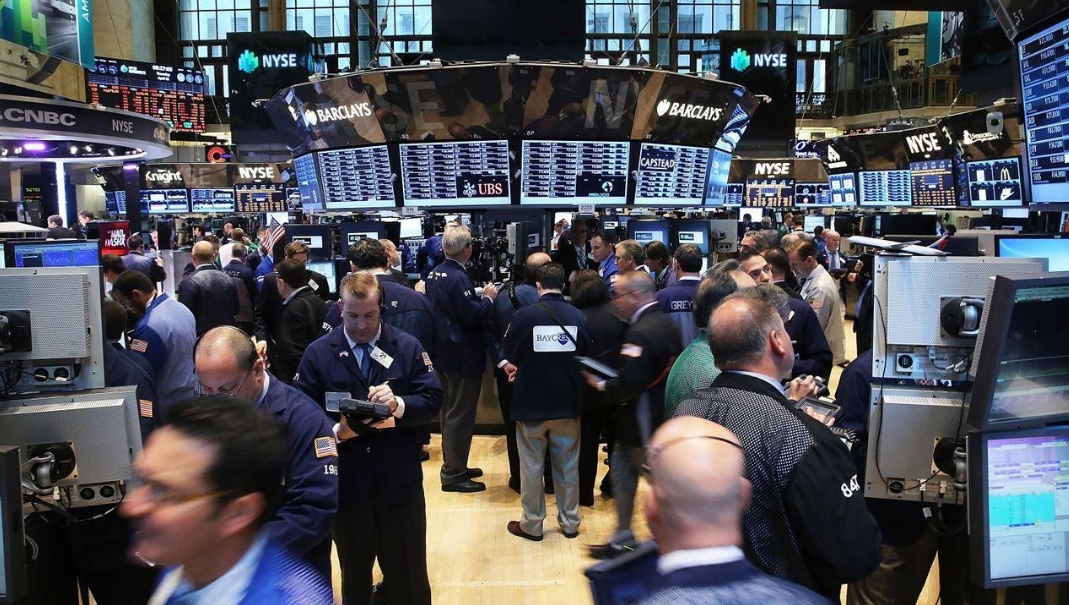















U.S. markets are starting Wednesday on mixed footing as investors digest corporate headlines and await key inflation data that could shape the Federal Reserve’s next policy move. Producer price index (PPI) numbers due later today will offer an early look at August inflation, while earnings updates and geopolitical tensions are adding more weight to sentiment. Here’s a breakdown of the major themes driving markets.
Futures Mixed as Investors Await Inflation Clues
U.S. stock futures were little changed early Wednesday, with traders balancing optimism from corporate results against caution over the latest inflation readings. By 03:38 ET, S&P 500 futures had inched up 0.3%, Nasdaq 100 futures climbed 0.3%, while Dow futures were flat.
Markets remain sensitive to signs of inflation and labor market weakness after a downward revision to U.S. employment data suggested the jobs market may have been cooling even before Trump’s tariff policies took hold. Rate-cut expectations remain firm, with odds of at least a 25-basis-point reduction at the Fed’s September 16–17 meeting holding steady.
Inflation Data in Focus: PPI Up Next
The August producer price index (PPI) report is due today, followed by the consumer price index (CPI) tomorrow. Economists expect the annualized PPI to hold steady at 3.3%, the same pace as July, underscoring sticky inflation pressures.
Persistent price growth is complicating the Fed’s challenge of balancing its dual mandate: ensuring stable prices while supporting maximum employment. Analysts argue, however, that the data likely won’t derail the Fed from cutting rates next week, especially given mounting concerns about the labor market.
In a side note, fears of political interference in Fed independence were eased after a federal judge blocked President Trump from firing Governor Lisa Cook.
Oracle Surges on Blockbuster AI Backlog
Oracle shares rocketed higher after the company revealed a massive surge in booked revenue, largely driven by demand for its AI-enhanced cloud offerings. Remaining performance obligations (RPO) — a key measure of backlog — soared 359% year-over-year to $455 billion.
CEO Safra Catz said Oracle’s infrastructure division is now powering leading AI models, including OpenAI’s ChatGPT and xAI’s Grok, further cementing the company’s position in the AI ecosystem. Analysts described the RPO growth as the standout of the report, reinforcing confidence in Oracle’s momentum despite a mixed overall quarter.
Shares spiked over 30% in Frankfurt trading, signaling strong investor enthusiasm for Oracle’s cloud and AI narrative.
Novo Nordisk Cuts 9,000 Jobs to Refocus on Core Drugs
In a major restructuring move, Novo Nordisk announced it will slash 9,000 jobs — around 11.5% of its workforce — as part of a plan to cut costs and double down on its diabetes and obesity businesses.
The company expects annual savings of 8 billion Danish crowns ($1.27 billion) by 2026, though one-time charges will weigh on near-term results. Novo’s new CEO Mike Doustdar said the restructuring will streamline operations and allow greater focus on blockbuster drugs like Wegovy and Ozempic.
Despite the layoffs, Novo Nordisk shares rose in Copenhagen, suggesting investors view the move as a strategic reset rather than a sign of weakness.
Oil Prices Rise on Geopolitical Risks
Crude prices extended gains as tensions in the Middle East and pressure on Russian supplies rattled energy markets. Brent rose 0.7% to $66.86 a barrel, while WTI gained 0.8% to $63.10.
The uptick followed reports that Israel struck Hamas leadership in Doha, sparking fears of renewed instability in the oil-rich region. At the same time, President Trump pushed for the EU to impose steep tariffs on India and China for continuing to buy Russian oil, adding fresh uncertainty to global energy flows.
Separately, NATO member Poland said it intercepted Russian drones that crossed into its territory during attacks on Ukraine, heightening concerns about a broader escalation in the conflict.
Bottom Line
Markets are juggling multiple cross-currents this week: sticky inflation, labor market fragility, corporate surprises, and geopolitical risks. With the PPI due today and CPI tomorrow, all eyes remain on how the data will shape the Fed’s next move — and whether the central bank can navigate a path through slowing growth and persistent price pressures.
Related posts

NEW YORK, NEW YORK - JANUARY 28: The New York Stock Exchange (NYSE) stands in the Financial District in Manhattan on January 28, 2021 in New York City. Markets continue a volatile streak with the Dow Jones Industrial Average rising over 500 points in morning trading following yesterdays losses. Shares of the video game retailer GameStop plunged. Spencer Platt/Getty Images/AFP