














Oil prices climbed on Monday, supported by rising geopolitical tensions in Europe and the Middle East, even as fresh supply and trade worries capped gains.
Brent crude futures rose 0.67% to $67.13 a barrel by 07:01 GMT, while U.S. West Texas Intermediate (WTI) crude for October delivery gained 0.75% to $63.15. The more active November WTI contract advanced 0.69% to $62.83 a barrel.
Market sentiment was rattled after reports that Russian military activity near NATO borders had intensified. Poland scrambled allied aircraft on Saturday following Russian airstrikes close to its border with Ukraine. A day earlier, three Russian jets violated Estonia’s airspace, prompting a UN Security Council meeting set for Monday. Germany also reported that a Russian aircraft crossed neutral Baltic airspace on Sunday. Analysts say these incidents are a stark reminder of the risks to Europe’s energy security.
Meanwhile, Middle East tensions resurfaced as four Western nations formally recognized a Palestinian state, drawing sharp condemnation from Israel and adding to instability in the oil-rich region.
Despite these geopolitical tailwinds, supply dynamics are weighing on the outlook. Iraq has increased exports as part of the unwinding of OPEC+ production cuts, with flows averaging 3.38 million barrels per day in August and expected to climb further in September. Rising inventories have also underscored that supply continues to outpace demand.
“Inventories have been climbing for six months, confirming that supply is ahead of consumption,” said energy strategist Tim Evans. “While strategic reserves in the U.S. and China have absorbed some of the excess, the surplus still limits near-term upside potential and leaves prices vulnerable on the downside.”
Last week, both Brent and WTI settled down over 1%, as oversupply concerns and tariff-related demand risks overshadowed optimism that the Federal Reserve’s recent rate cut would spur consumption.
Related posts

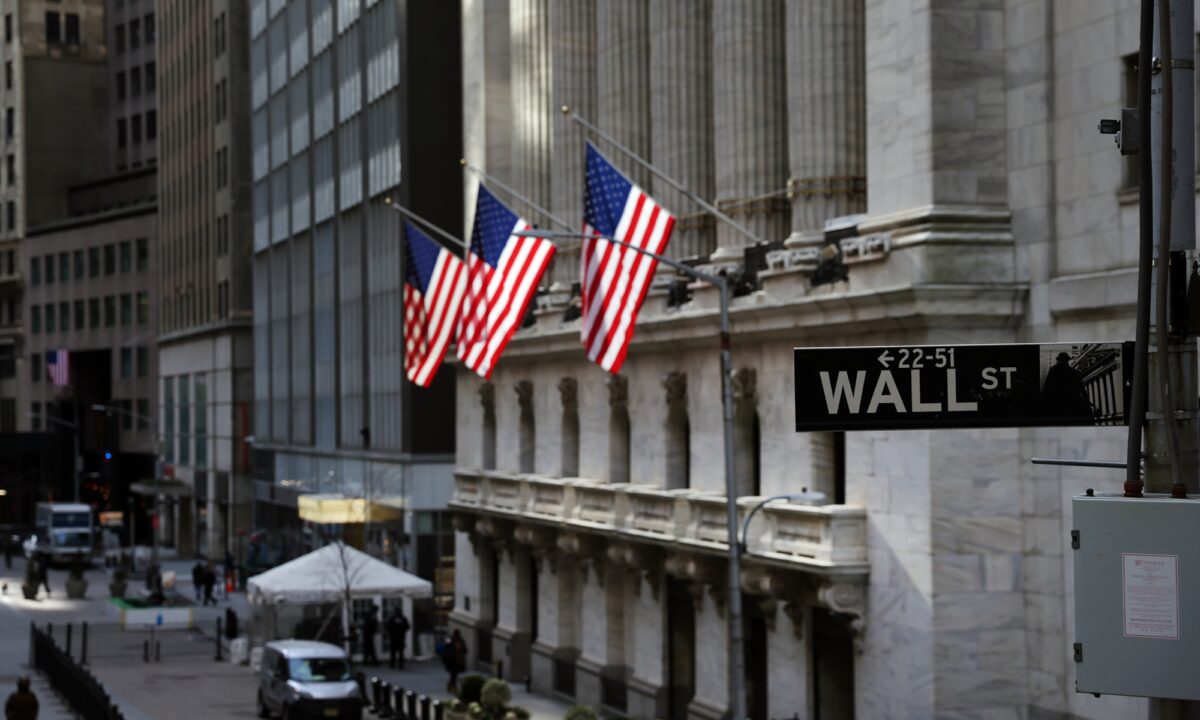
NEW YORK, NEW YORK - JANUARY 28: The New York Stock Exchange (NYSE) stands in the Financial District in Manhattan on January 28, 2021 in New York City. Markets continue a volatile streak with the Dow Jones Industrial Average rising over 500 points in morning trading following yesterdays losses. Shares of the video game retailer GameStop plunged. Spencer Platt/Getty Images/AFP