












U.S. stock futures pointed slightly higher as markets digested the latest wave of tariffs implemented by the Trump administration. While investor sentiment remains cautiously optimistic, multiple developments across the corporate and global trade landscape are shaping short-term market dynamics.
1. U.S. Futures Edge Higher Despite Tariff Tensions
On Thursday morning, U.S. stock futures inched up despite the rollout of elevated tariffs by the White House. Dow futures rose 34 points (0.1%), S&P 500 futures climbed 17 points (0.3%), and Nasdaq 100 futures gained 67 points (0.3%).
The prior day’s gains on Wall Street were largely driven by strong earnings reports from major companies such as McDonald’s and Apple. The S&P 500 has now rebounded from the previous week’s dip, which was spurred by weaker employment data. Analysts suggest that the market trend remains bullish unless significant new risks emerge. Meanwhile, softer jobs data has boosted hopes for a potential rate cut by the Federal Reserve, with policymakers indicating a possible adjustment in response to economic headwinds.
2. Trump Tariffs Expand to Over 90 Countries
President Trump’s broader tariff strategy went into full effect just after midnight Eastern Time, affecting over 90 nations. New import taxes include a 15% levy on goods from countries like Bolivia and Nigeria, a 20% duty on Taiwan, and even steeper tariffs on Brazil and India. The reasons vary, ranging from diplomatic disagreements to opposition over certain local policies.
However, some countries, including the EU, Japan, and South Korea, have negotiated preliminary trade deals with the U.S., resulting in reduced tariffs between 15% and 20% in return for concessions such as market access or increased U.S. investment. Chinese goods remain under a 30% tariff, pending the expiration of a current trade truce on August 12. Trump has also proposed a dramatic 100% duty on semiconductor imports, though companies pledging domestic investment may be granted exemptions.
3. Apple Commits $100 Billion to U.S. Investment
In a strategic move tied to tariff exemptions, Apple CEO Tim Cook joined President Trump at the White House to announce a $100 billion investment aimed at boosting American manufacturing. Cook emphasized Apple’s commitment to reshoring its supply chain and supporting U.S. job creation.
Apple’s stock rallied, adding to its previous day’s 5% surge. Earlier this year, Apple revealed plans to invest $500 billion in the U.S., including a new Texas facility and 20,000 new jobs over four years. However, not all iPhone manufacturing has returned to the U.S., with some production shifting to India and Thailand amid the ongoing global supply chain reshuffle.
4. Toyota Slashes Forecast Due to Tariffs
Toyota has revised its annual operating profit forecast downward by 16%, attributing the $10 billion hit largely to U.S. tariffs on imported vehicles and rising input costs. The Japanese automaker now expects operating profits of 3.2 trillion yen for the fiscal year ending March 2026, compared to the earlier projection of 3.8 trillion yen.
Despite the impact of tariffs, Toyota has seen resilient demand and strong global sales. Its operating profit in Q1 reached 1.17 trillion yen, surpassing analyst expectations. However, the company’s exposure to Trump’s aggressive trade stance is a reminder of the risks that global manufacturers face.
5. China’s Export Engine Remains Resilient
While U.S.-bound shipments declined 22% year-over-year in July, China’s overall exports rose 7.2% compared to July 2024, signaling continued global demand. Exports had grown by 5.8% in June and have proven surprisingly robust despite previous fears that trade tensions would significantly disrupt the sector.
China’s ability to divert exports to other markets has been crucial in sustaining its economic activity, especially as domestic consumer demand softens and the country battles ongoing real estate sector challenges.
Conclusion: Markets continue to adapt to an increasingly complex trade environment, with investor focus shifting toward corporate earnings, central bank policy moves, and geopolitical developments. As tariffs reshape global commerce, companies like Apple and Toyota are adjusting their strategies, and investors should remain alert to how these changes ripple through the broader economy.
Related posts

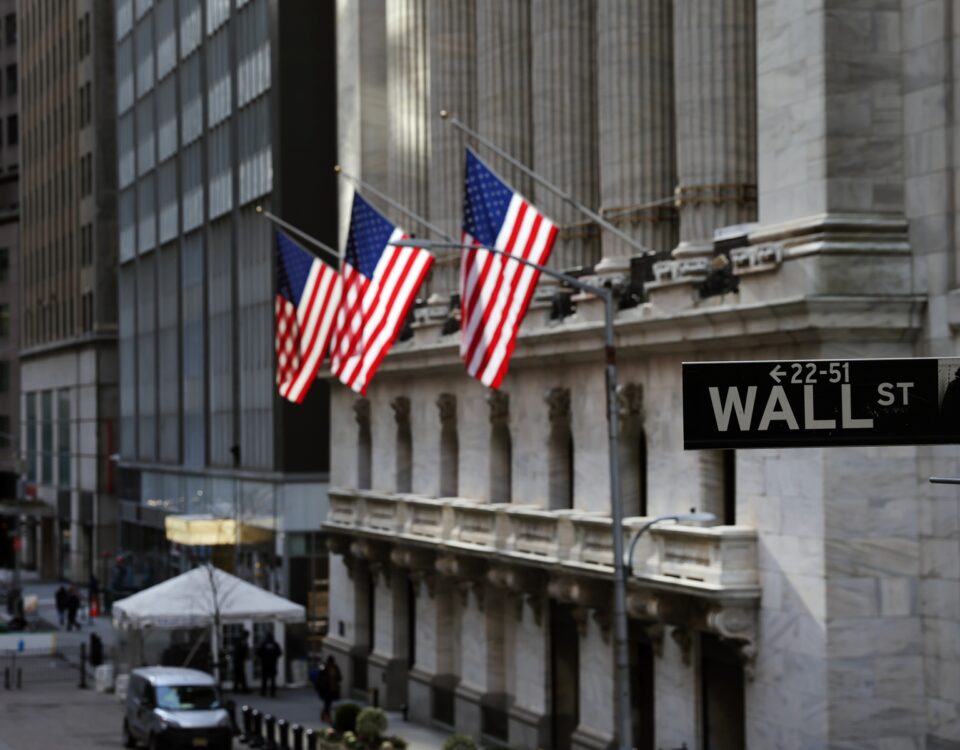
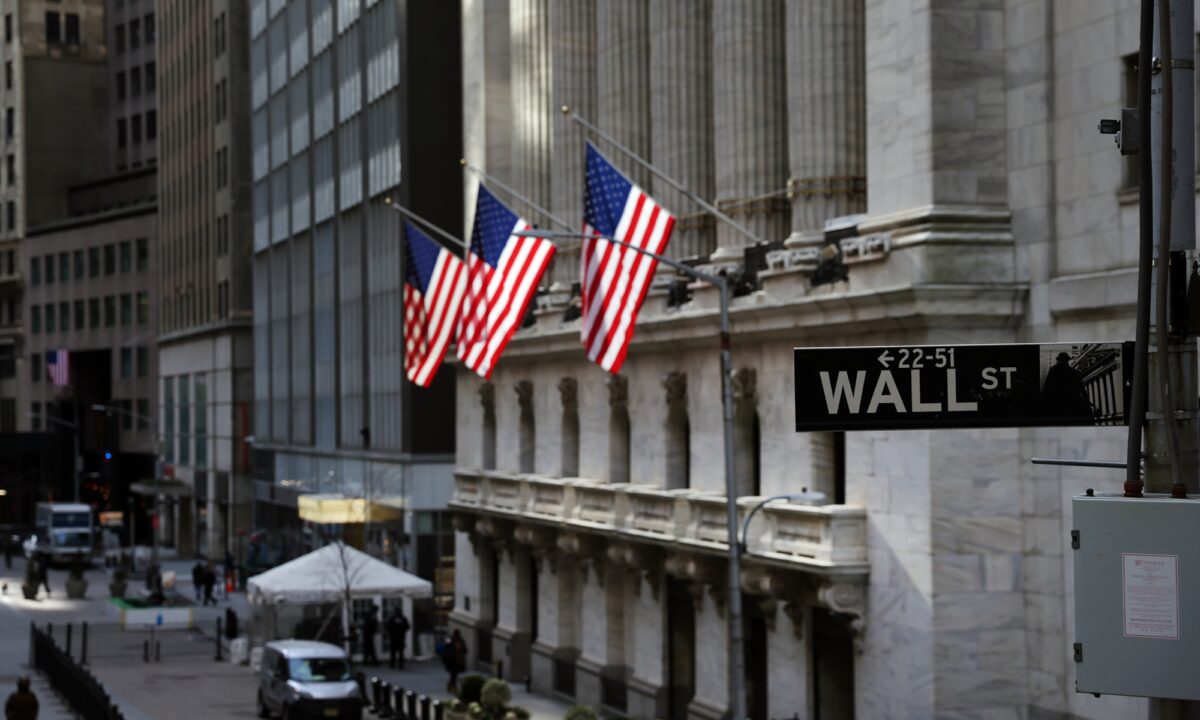
NEW YORK, NEW YORK - JANUARY 28: The New York Stock Exchange (NYSE) stands in the Financial District in Manhattan on January 28, 2021 in New York City. Markets continue a volatile streak with the Dow Jones Industrial Average rising over 500 points in morning trading following yesterdays losses. Shares of the video game retailer GameStop plunged. Spencer Platt/Getty Images/AFP