












U.S. stock futures ticked higher on Wednesday, even as tensions escalated in the Middle East and investors awaited a key policy decision from the Federal Reserve. With the Iran-Israel conflict entering its sixth day, market sentiment remains fragile. Here’s what’s driving the markets today:
1. U.S. Futures Rise Despite Geopolitical Uncertainty
Stock futures saw modest gains early Wednesday, as traders balanced geopolitical risks with expectations surrounding the Federal Reserve’s next policy move. The uptick follows a sharp selloff in major indexes on Tuesday:
-
S&P 500: -0.8%
-
Nasdaq Composite: -0.9%
-
Dow Jones Industrial Average: -0.7%
The Cboe Volatility Index (VIX) surged to 21.6, marking its highest level since late May — signaling rising investor anxiety.
2. Oil Prices Retreat After Tuesday Surge
Oil markets cooled slightly after a sharp rally in the prior session.
-
Brent crude slipped 0.3% to $76.20 per barrel
-
WTI crude dipped 0.3% to $73.02 per barrel
Despite the decline, prices remain elevated on fears that continued fighting between Israel and Iran could disrupt global crude supplies. Analysts note that energy traders are also weighing the potential impact of the Fed’s upcoming interest rate decision on future oil demand.
3. All Eyes on the Fed
The Federal Reserve wraps up its two-day policy meeting today, with investors widely expecting no change in interest rates. Markets are focused on the release of the Fed’s updated dot plot, which outlines policymakers’ rate projections.
As of now, traders see a 54.8% chance that the next rate cut won’t happen until September, according to CME Group’s FedWatch Tool. However, recent geopolitical shocks and surging energy prices may force the Fed to rethink its stance, according to ING analysts.
4. Senate Approves Stablecoin Regulation
In a rare bipartisan move, the U.S. Senate passed a bill that sets a regulatory framework for stablecoins — digital assets pegged to the U.S. dollar or similar reserves.
Under the new legislation:
-
Stablecoins must be backed by liquid assets like USD or Treasury bills
-
Issuers must disclose reserve details monthly
The bill aims to bring more transparency and stability to the crypto space, particularly as stablecoins play a growing role in digital asset trading.
5. Regulators to Ease Capital Rules for Big Banks
According to a Bloomberg report, U.S. banking regulators — including the Fed, FDIC, and OCC — are planning to reduce the enhanced supplementary leverage ratio (ESLR) for major banks.
This adjustment could lower capital buffer requirements from 5% to as low as 3.5%–4.5%, a move intended to free up liquidity and improve market functioning, especially in U.S. Treasury trading.
Markets are juggling a mix of geopolitical tension, monetary policy uncertainty, and regulatory shifts. While futures are inching up, the coming hours — especially the Fed’s rate decision and any developments in the Middle East conflict — could drive sharp moves across equities, oil, and crypto.
Related posts

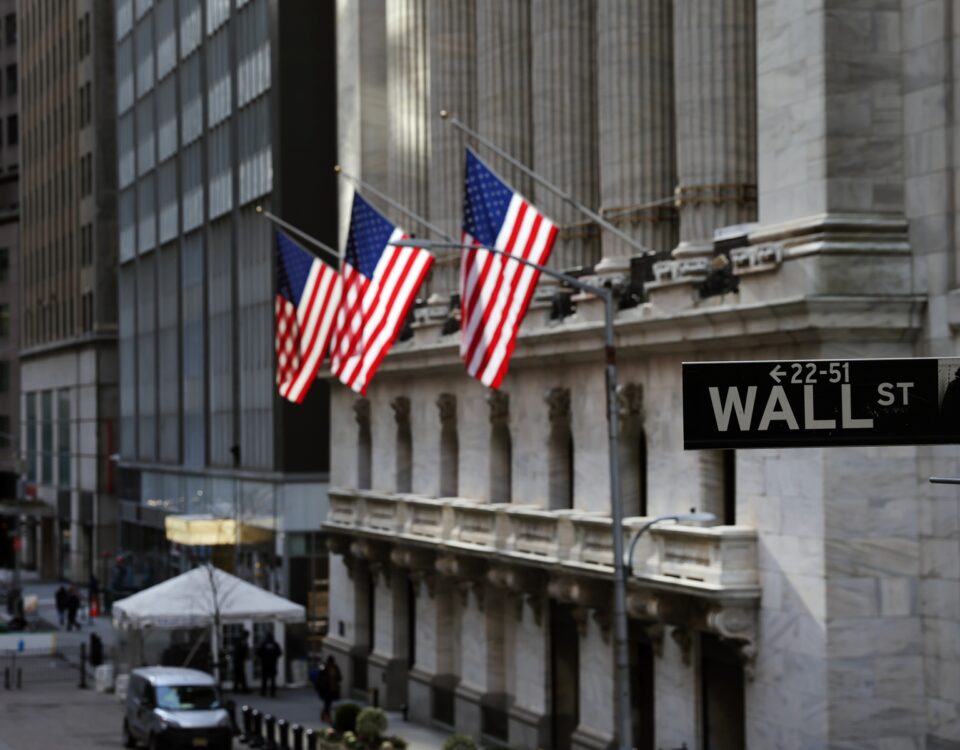
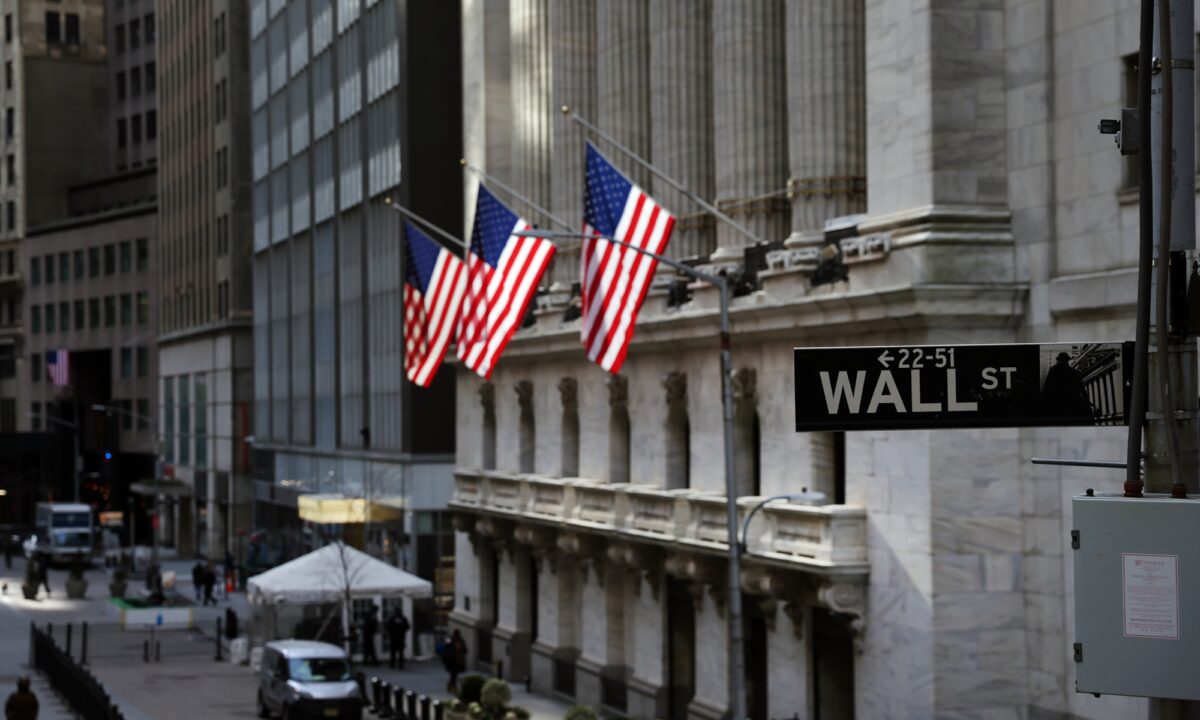
NEW YORK, NEW YORK - JANUARY 28: The New York Stock Exchange (NYSE) stands in the Financial District in Manhattan on January 28, 2021 in New York City. Markets continue a volatile streak with the Dow Jones Industrial Average rising over 500 points in morning trading following yesterdays losses. Shares of the video game retailer GameStop plunged. Spencer Platt/Getty Images/AFP