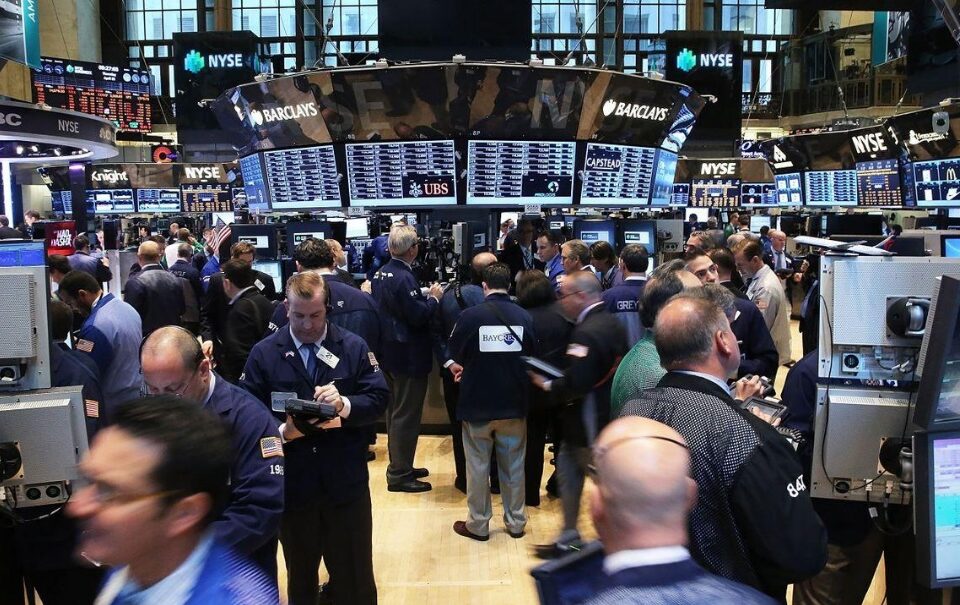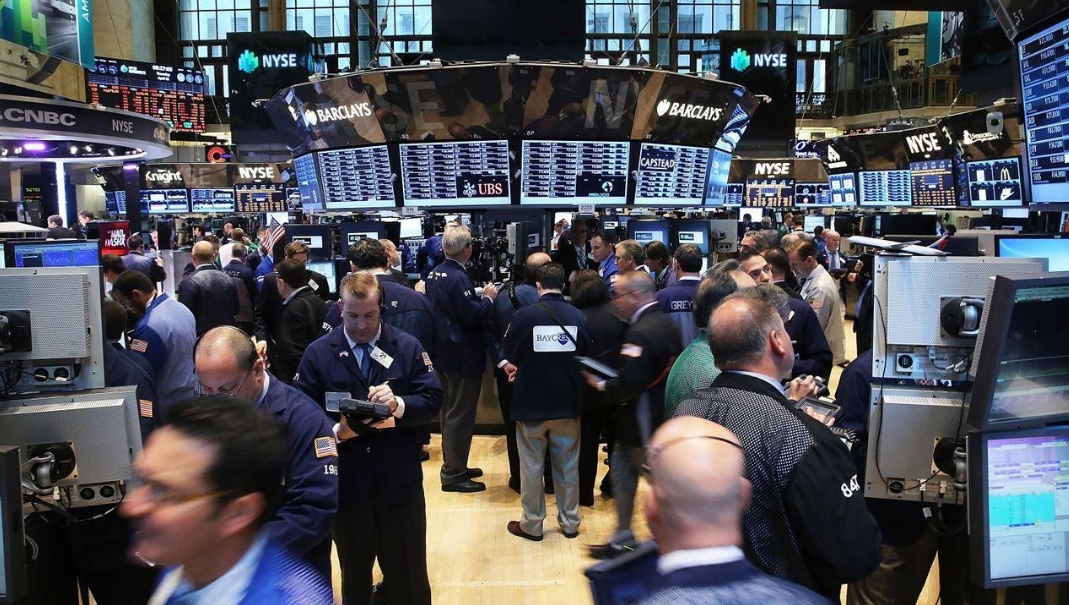














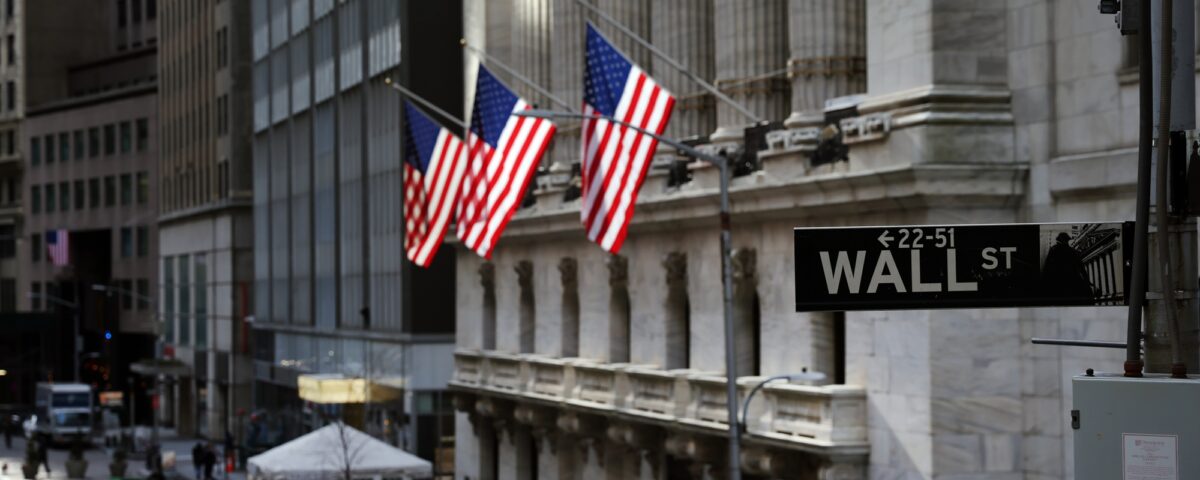
NEW YORK, NEW YORK - JANUARY 28: The New York Stock Exchange (NYSE) stands in the Financial District in Manhattan on January 28, 2021 in New York City. Markets continue a volatile streak with the Dow Jones Industrial Average rising over 500 points in morning trading following yesterdays losses. Shares of the video game retailer GameStop plunged. Spencer Platt/Getty Images/AFP
The long-anticipated December U.S. Federal Reserve meeting is finally on deck — and while it will dominate market attention, it won’t be the only policy catalyst in a jam-packed global week. Central banks in Canada, Switzerland, Australia and Turkey are all set to announce decisions, and investors will be sifting through fresh China data for clues on 2026 momentum.
1. Fed: Cut or Not Quite?
Rate-cut sentiment has swung wildly since October. After flirting with doubt, Wall Street has rediscovered conviction that the Fed will deliver a third reduction next week.
But policymakers remain split. Chair Jerome Powell has been careful to emphasise sharply differing views within the committee, warning markets against assuming a December cut is guaranteed.
Traders are firmly pricing in a quarter-point move — though not with the confidence seen months earlier. October and November jobs data will land only after the meeting, leaving markets discounting key labour signals at crunch time. November inflation figures could be the last meaningful input before policymakers lock in their decision.
Trump continues to press publicly for deeper easing, keeping political noise firmly in the background.
2. China: Waiting for a Turn
China’s property malaise and subdued household demand are still dragging on growth — a narrative that hasn’t meaningfully shifted as year-end approaches.
Exports beat expectations, but inflation remains soft and investor focus is shifting to Beijing’s economic roadmap for the year ahead.
Bond markets are watching China Vanke, once the nation’s premier developer, as it seeks a one-year extension on onshore debt — a telling symbol of broader credit strain.
Australia also takes centre stage Tuesday, where the RBA is widely expected to keep rates steady amid persistent economic strength.
3. Switzerland: Stuck at Zero
The Swiss National Bank meets Thursday with minimal drama expected. Rates are set to stay pinned at 0%, and likely well into 2026, even as inflation edges near the bottom of the SNB’s target range.
The franc remains the story: up nearly 12% against the dollar this year, on track for its best performance since 2002. While recent stability versus the euro offers some relief, the strong currency continues to weigh heavily on Switzerland’s export-driven industries, from luxury goods to asset management.
4. Turkey: How Deep Will the Cut Go?
Turkey’s central bank will cut again — the only debate is how aggressively.
Headline inflation eased to just above 31% thanks to softer food prices, but services inflation remains stubborn.
With a year-end target of 24% and forecasts still clustered above 30%, markets want clarity on how fast easing can continue without reigniting price pressure. JPMorgan sees a 100-bps cut, though a 150-bps move isn’t off the table.
Brazil is also in focus, likely holding its 15% rate for now as growth cools and January cut expectations build.
5. The Re-Acceleration Trade
Despite bitcoin’s rocky November and a jolt in Japanese bond markets, sentiment heading into 2026 remains surprisingly upbeat.
Major houses are leaning into a renewed global growth cycle:
-
Lombard Odier brands it a “re-acceleration trade.”
-
BNP Paribas sees euro zone performance outpacing consensus.
Even AI bubble chatter hasn’t sapped equity enthusiasm, especially in the tech-heavy U.S. market.
That optimism could itself become a risk — consensus has misfired before. But for now, the tone is less crisis mode, more soft-landing-turned-recovery.