












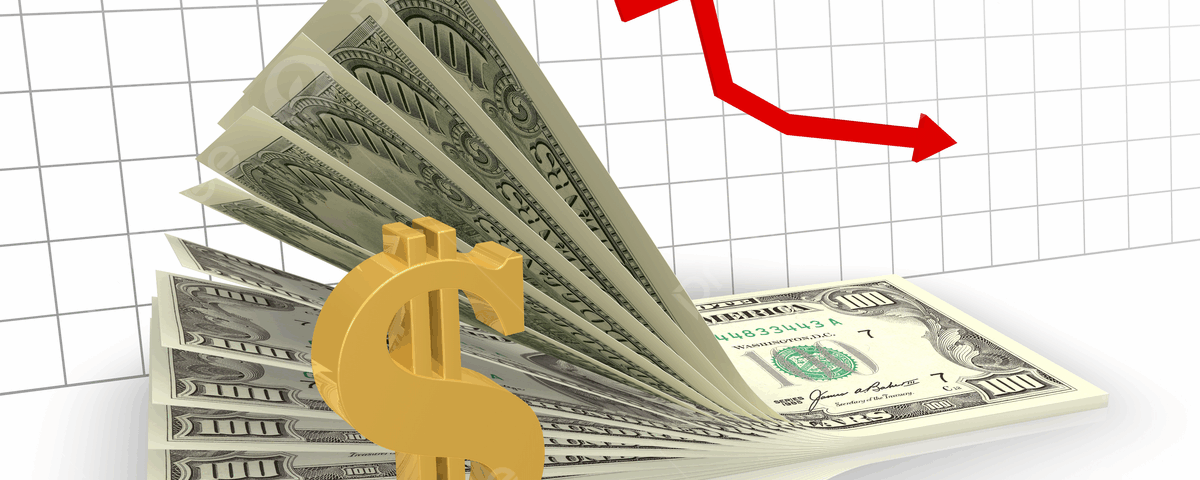
What Impact Does a Falling Dollar Have on the U.S.?
Morgan Stanley says it’s not the end—just intermission.
The recent dip in the U.S. dollar has stirred conversations across markets, but according to Morgan Stanley, we’re not witnessing the finale of the greenback’s decline—just an intermission.
In a note to clients, strategists from the bank forecast further dollar depreciation through 2027, suggesting that the dollar’s recent slide—particularly the EUR/USD approaching 1.17—is just the beginning.
“We don’t think that 1.17 in EUR/USD is the finale but rather closer to the intermission,” said strategists led by David S. Adams.
🔍 How Does Dollar Weakness Affect the U.S. Economy?
While a weaker dollar often triggers concerns around inflation and trade imbalances, Morgan Stanley sees only a modest economic impact—at least in the short term.
According to their models:
-
A 1% drop in the dollar typically leads to:
-
A +5 basis point lift in headline CPI
-
A +5 basis point bump in GDP
-
That’s relatively muted, especially in a country like the U.S., which is considered a relatively closed economy with low sensitivity to exchange-rate fluctuations compared to more export-dependent nations.
“We don’t expect a meaningful overall macroeconomic effect from the recent FX depreciation,” the note stated.
📈 Inflation Outlook: Minor, Delayed Uptick
Morgan Stanley forecasts that the inflationary impact will materialize gradually—mostly over the next six months—with a projected 20 basis point increase in headline CPI over the next year. Core inflation, however, is expected to remain largely unaffected.
This measured impact gives the Federal Reserve breathing room. The bank does not expect the Fed to react aggressively to FX moves, though it predicts a slow drift toward a more dovish stance over time.
🏢 Corporate Winners: Multinationals Poised to Gain
While the macro impact may be limited, the story is different for U.S. multinational corporations. These companies stand to benefit significantly from the weaker dollar due to favorable currency translation effects.
When overseas earnings are converted back into dollars, a weaker dollar amplifies profits—especially for firms with substantial international exposure.
“We believe the weaker dollar is a substantial, underappreciated tailwind for U.S. multinational companies’ earnings,” Morgan Stanley wrote.
Key sectors expected to benefit most:
-
Technology
-
Industrials
-
Materials
-
Energy
-
Healthcare
-
Financials
📊 Top Companies Set to Gain
The bank identified high-quality large-cap stocks with over 15% of revenue generated abroad, including:
-
Microsoft (MSFT)
-
Salesforce (CRM)
-
ExxonMobil (XOM)
-
Procter & Gamble (PG)
-
Mastercard (MA)
These companies are also rated “Overweight” by Morgan Stanley analysts, reflecting strong expectations for earnings growth.
🔄 Impact on Hedging Behavior
The FX shift could also reshape corporate hedging strategies. Companies typically increase hedge ratios when the dollar is strong to protect foreign revenues—but with the dollar now weakening, many may reduce those hedges.
This change could lead to lower demand for USD, further accelerating its depreciation.
“USD is still at the upper end of historical ranges and pro-cyclicality from hedging and index rebalancing are important amplifying considerations,” the note adds.
🌍 Structural Shifts in Capital Flows
A weakening dollar could also reduce the U.S. share in global indices, which may result in lower passive investment inflows into U.S. stocks and bonds. That could add further pressure on dollar demand over the long run.
🧠 Final Thoughts
While dollar weakness may not drastically shift U.S. macroeconomic dynamics in the near term, corporate earnings, investment behavior, and global capital flows are likely to feel the ripple effects.
For investors and policymakers alike, the dollar’s next chapter may not bring a dramatic crash—but it does signal a gradual realignment of global economic momentum.
Related posts

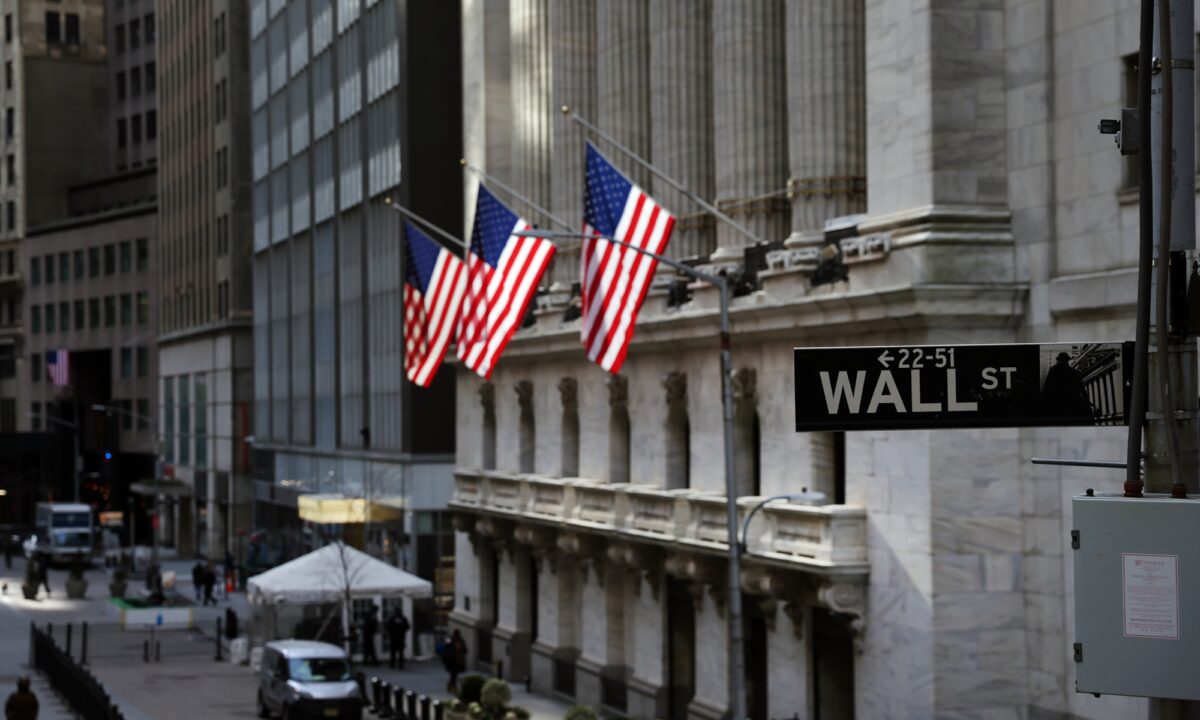
NEW YORK, NEW YORK - JANUARY 28: The New York Stock Exchange (NYSE) stands in the Financial District in Manhattan on January 28, 2021 in New York City. Markets continue a volatile streak with the Dow Jones Industrial Average rising over 500 points in morning trading following yesterdays losses. Shares of the video game retailer GameStop plunged. Spencer Platt/Getty Images/AFP